
Reverse Osmosis vs Activated Carbon Filters: Which Is More Cost-Effective? | AquaVibe
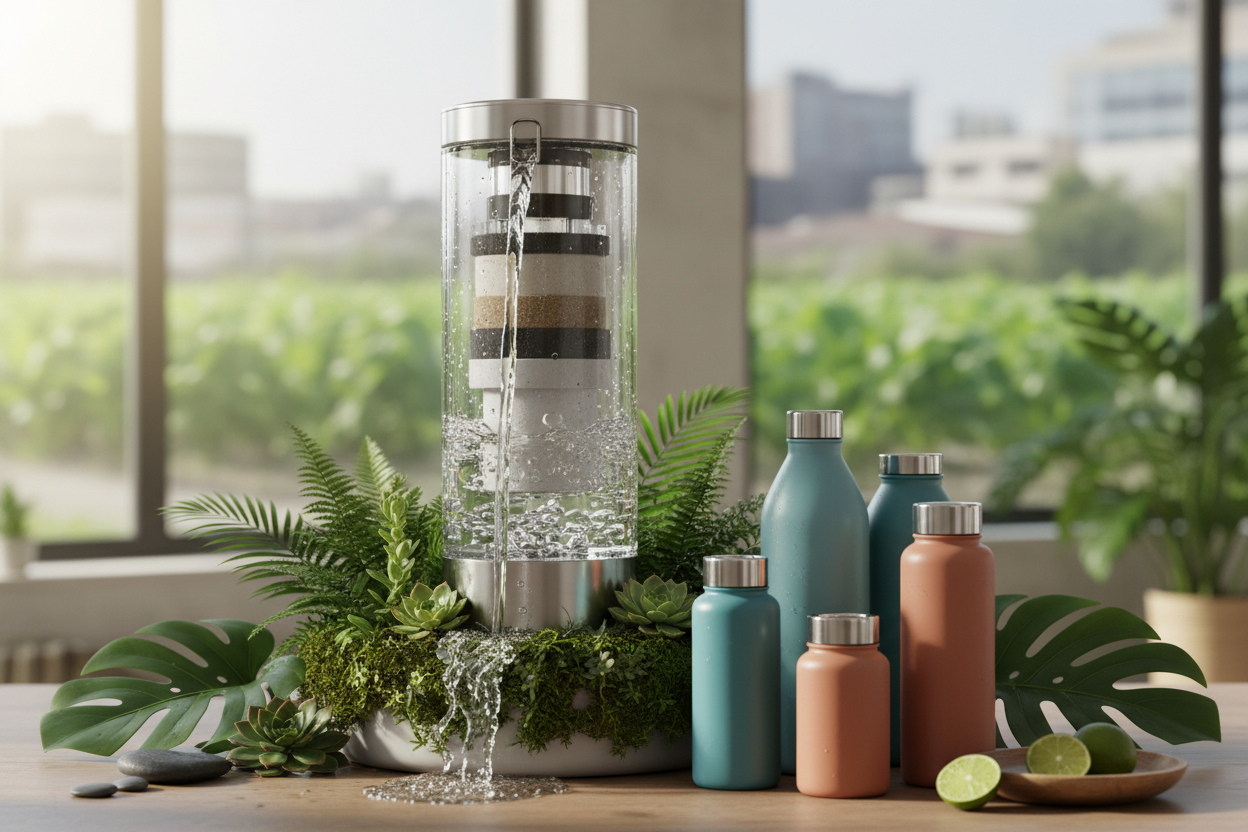
Reverse Osmosis vs Activated Carbon Filters: Which Is More Cost-Effective?
If you are shopping for a home water filter, you will quickly run into two common choices: activated carbon and reverse osmosis. Both can be useful. Both can improve your water experience. But they are not equally economical for every household.
At AquaVibe, we think the smartest answer is not simply “Which filter is cheaper?” but “Which filter gives you the best value for your specific water concerns?” For many U.S. homes, activated carbon is the lower-cost starting point, while RO becomes the stronger long-term value when broader contaminant reduction is the priority.
The short answer: which one is more economical?
Activated carbon is usually more budget-friendly
The CDC explains that activated carbon filters are commonly used to improve taste and smell, and some products may also reduce heavy metals such as lead depending on certification. EPA also lists lower entry-level consumer costs for granular activated carbon systems than for reverse osmosis. For households mainly bothered by chlorine taste, odor, or everyday tap-water flavor, activated carbon is often the more economical first move.
RO can be the better value when your water needs are bigger
CDC states that reverse osmosis can remove germs and a broader range of chemicals than basic carbon-focused systems, and EPA recommends RO among the filter categories used to reduce PFAS when properly certified. That means RO often costs more upfront, but it can become more cost-effective if your home needs wider contaminant reduction rather than just better taste.
What the official guidance says
The CDC notes that pitcher and refrigerator filters often use activated carbon, and their main purpose is improving taste and smell rather than microbiological safety. The same CDC guidance says reverse osmosis filters can remove some germs and chemicals, including lead, copper, chromium, chloride, and sodium, with additional reductions depending on the specific product label.
EPA’s consumer PFAS filter guidance adds an economic layer: granular activated carbon systems are typically listed from $20 to $1,000, while reverse osmosis systems are listed from $150 to $1,000, both excluding maintenance. EPA also notes that RO systems require cartridge and membrane changes and waste about one gallon of water for every gallon treated.
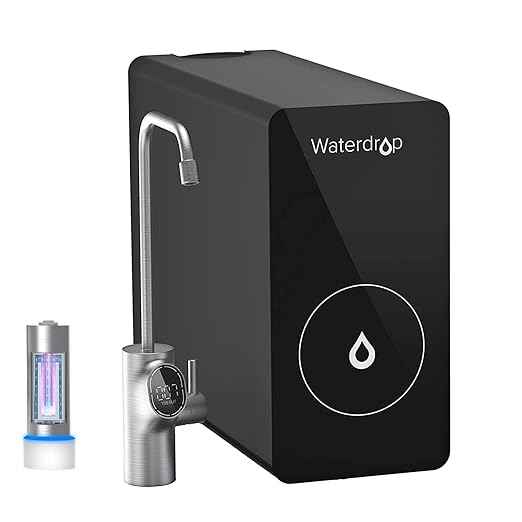
RO vs activated carbon: practical cost comparison
| Comparison Point | Activated Carbon Filters | Reverse Osmosis Filters |
|---|---|---|
| Typical starting cost | Usually lower entry cost | Usually higher entry cost |
| Main strength | Taste, odor, chlorine-related improvement, simple everyday use | Broader reduction capability for many contaminants depending on certification |
| Maintenance | Periodic filter replacement | Cartridge replacement plus RO membrane replacement |
| Water efficiency | No RO drain stream involved | EPA notes about 1 gallon wasted per 1 gallon treated for POU RO systems |
| Best economic fit | Municipal water users who mainly want better taste, smell, and a simpler budget setup | Households with stronger contaminant concerns where wider reduction justifies the extra cost |
| Helpful certification references | NSF/ANSI 42 commonly tied to taste and odor claims | NSF/ANSI 58 commonly tied to reverse osmosis systems |
When activated carbon is the smarter money choice
You use municipal water and mainly dislike taste or smell
If your city water is considered safe but you want fresher-tasting water and less chlorine-style flavor, activated carbon often gives you the best improvement per dollar.
You want easier installation and simpler upkeep
Lower-complexity countertop or under-sink filters can be attractive for renters, first-time buyers, and shoppers who do not need a premium multi-stage system.
You need broader contaminant reduction
If your concerns go beyond taste into categories like PFAS-related filtering or a wider list of chemical reductions, RO may justify the extra cost better than a cheaper basic filter.
You are building a long-term premium setup
Homeowners who want a stronger under-sink drinking-water system may see RO as better value over time, especially when they prefer a more comprehensive filtration approach.
AquaVibe products that fit each budget strategy
Below are real AquaVibe product pages and product images that fit the RO-vs-value comparison angle of this article.
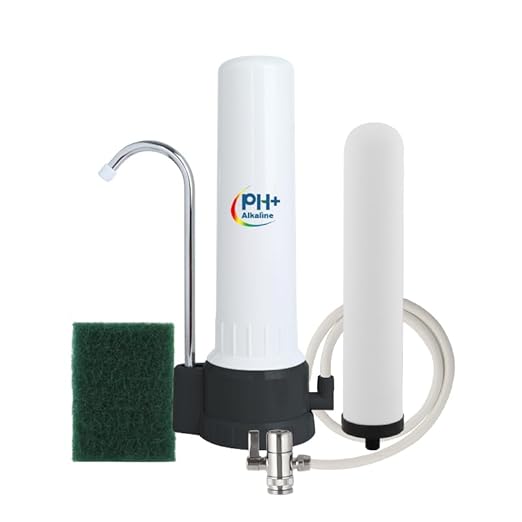
Countertop Filter Water System, 5-Stage Alkaline Water Filter
A strong low-complexity option for shoppers who want better everyday drinking water without stepping into full RO pricing. The product page highlights premium activated carbon filtration, up to 8,000 gallons, and easy countertop installation.
- Activated carbon-based value positioning
- 8,000-gallon / about 8-month service claim
- Good for kitchens, bathrooms, RVs, and smaller setups
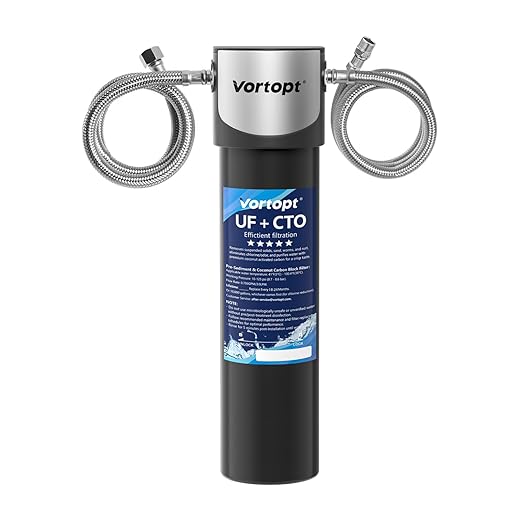
Under Sink Water Filter System, 14,000 Gallon
For budget-conscious households, this AquaVibe option is especially useful because the product page emphasizes long filter life and replacement filters under $29.
- 14,000-gallon / 12-month filter life claim
- Replacement filters under $29
- Focused on chlorine, lead, taste, and odor reduction
Waterdrop D6 Reverse Osmosis System
A strong fit for shoppers who want higher-end RO performance. AquaVibe’s product page highlights 600 GPD flow, a 2:1 drain ratio, 0.0001μm RO accuracy, and a tankless design that saves under-sink space.
- 600 GPD high-flow design
- 2:1 pure-to-drain ratio
- Tankless format with broader-feature positioning
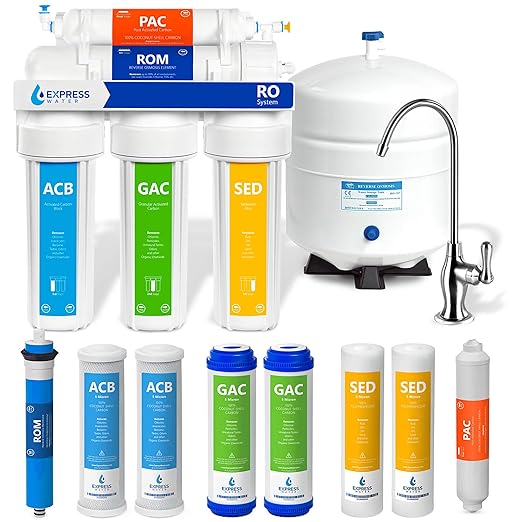
Express Water RO5DX Reverse Osmosis Filtration System
This option supports the case for RO when contaminant reduction matters more than entry-level budget. The product page highlights 5-stage RO filtration, an extra filter set, and a leak-stop detector.
- 5-stage RO setup
- Extra filter set included
- Leak detection feature for added peace of mind
So which one should most households buy first?
For many American households on standard municipal water, activated carbon or another lower-complexity non-RO filter is usually the better starting value. It is cheaper to enter, easier to maintain, and often aligns well with common concerns like taste, smell, and chlorine-related dissatisfaction.
Reverse osmosis becomes the better economic choice when your needs are more demanding. If you specifically want broader contaminant reduction, PFAS-focused certified options, or a premium drinking-water station at the sink, paying more for RO can make more sense than buying a simpler system that does not meet your actual goals.
FAQ
Is activated carbon usually the cheaper option?
Yes. Activated carbon systems generally have a lower upfront cost and are often the more economical choice when your main concerns are taste, odor, and chlorine-related improvement.
Why do some people still choose reverse osmosis?
Because RO offers broader reduction capability than many simpler filters. If your water concerns are more serious, the extra cost can be worth it.
Does RO waste water?
EPA’s consumer PFAS filter guidance says point-of-use RO systems waste about one gallon of water for every gallon treated.
What does activated carbon do best?
CDC says activated carbon is commonly used to improve taste and smell. Some certified products may also reduce certain contaminants such as lead, depending on the system.
What certifications should I look for?
Look for third-party certification on the product label and verify the exact contaminant claims. NSF/ANSI 42 is commonly associated with taste and odor claims, and NSF/ANSI 58 is associated with reverse osmosis systems.
Where can I explore more AquaVibe systems?
Visit AquaVibe’s Water Filtration & Softeners collection to compare more solutions for kitchens, baths, and full-home use.
Sources & references
This article combines public-health guidance with real AquaVibe collection and product pages for shopping-focused education.
- CDC – About Choosing Home Water Filters
- CDC – About Home Water Treatment Systems
- EPA – Identifying Drinking Water Filters Certified to Reduce PFAS
- NSF – Water Filters, Reverse Osmosis and Water Treatment Systems
- AquaVibe Homepage
- AquaVibe Water Filtration & Softeners Collection
- Countertop Filter Water System, 5-Stage Alkaline Water Filter
- Under Sink Water Filter System, 14,000 Gallon
- Waterdrop D6 Reverse Osmosis System
- Express Water RO5DX Reverse Osmosis Filtration System